
1388xx888xx


notice Промышленные объявления


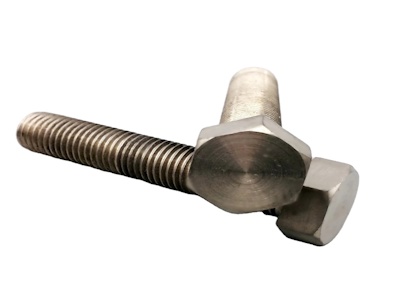
Инженерные системы, такие как водоснабжение, отопление, газовые сети и промышленные трубопроводы, играют ключевую роль в современной инфраструктуре. Их надежность и долговечность напрямую зависят от используемых материалов, особенно фитингов, которые соединяют трубы и обеспечивают герметичность. В этой статье мы подробно рассмотрим, почему фитинги из углеродистой стали являются оптимальным выбором для долговечных инженерных систем, как правильно их выбирать и какие преимущества они предлагают. Углеродистая сталь – это сплав железа с углеродом, обладающий высокой прочностью, коррозионной стойкостью и устойчивостью к высоким температурам и давлениям. Эти свойства делают ее идеальной для использования в агрессивных средах, таких как промышленные объекты или системы с перепадами температур. Однако не все фитинги одинаковы: качество зависит от состава стали, технологии производства и контроля на каждом этапе. Мы начнем с обзора основных типов фитингов из углеродистой стали, включая резьбовые, фланцевые и сварные варианты, и объясним, какие из них лучше подходят для различных применений. Далее, мы обсудим ключевые факторы выбора, такие как соответствие стандартам (например, ГОСТ или ASTM), толщина стенки, покрытие для защиты от коррозии и совместимость с другими материалами. Также, мы предоставим практические советы по монтажу и обслуживанию, чтобы продлить срок службы систем. В заключение, подчеркнем экономические выгоды: инвестиции в качественные фитинги окупаются за счет снижения частоты ремонтов и повышения общей эффективности. Эта статья предназначена для инженеров, монтажников и decision-makers в строительной и промышленной отраслях, и поможет им сделать informed выбор для своих проектов.
Фитинги из углеродистой стали доступны в различных конфигурациях, каждая из которых предназначена для specific applications. Резьбовые фитинги, например, просты в монтаже и идеальны для систем с низким давлением, таких как бытовое водоснабжение. Они изготавливаются с внутренней или внешней резьбой и могут включать муфты, углы и тройники. Фланцевые фитинги, с другой стороны, используются в high-pressure systems, таких как промышленные трубопроводы, благодаря их ability to handle significant loads and ease of disassembly for maintenance. Сварные фитинги предлагают максимальную прочность и герметичность, но требуют профессионального монтажа; они common in critical applications like oil and gas industries. Additionally, there are specialized types like compression fittings for quick connections or forged fittings for enhanced durability. Understanding these types is crucial for selecting the right product based on system requirements, such as pressure ratings, temperature ranges, and environmental conditions. For instance, in corrosive environments, fittings with protective coatings like galvanization or epoxy are recommended to prevent rust and extend lifespan. We will delve deeper into each type, providing examples and comparative tables to aid in decision-making.
Углеродистая сталь обладает numerous advantages that make it a preferred material for fittings in engineering systems. Firstly, its high tensile strength and hardness ensure that fittings can withstand mechanical stresses, vibrations, and impacts without deformation or failure. This is particularly important in dynamic systems like those in manufacturing plants or transportation networks. Secondly, carbon steel offers excellent resistance to high temperatures, making it suitable for applications involving steam, hot water, or industrial processes where temperatures can exceed 500°C. Moreover, it is cost-effective compared to alternatives like stainless steel or copper, providing a balance between performance and affordability. Carbon steel is also highly malleable and ductile, allowing for easy fabrication into complex shapes without compromising integrity. However, it is susceptible to corrosion if not properly protected, so choosing fittings with appropriate coatings or using them in dry, indoor environments can mitigate this issue. We will explore these benefits in detail, supported by case studies and industry data, to demonstrate why carbon steel fittings are a reliable choice for long-term durability.
Selecting high-quality carbon steel fittings involves several key criteria to ensure they meet the demands of your engineering system. Start by verifying compliance with international standards such as ASTM A105 for forged fittings or ГОСТ 12821-80 for flanges, which guarantee material composition and mechanical properties. Next, consider the wall thickness: thicker walls provide better pressure resistance but may increase weight and cost; aim for a balance based on system pressure ratings. The type of coating is also critical; for example, galvanized coatings offer corrosion protection in humid conditions, while black steel fittings are suitable for dry environments. Additionally, check for certifications from manufacturers, such as ISO 9001, which indicate quality management systems in place. It's essential to evaluate the fitting's compatibility with the pipes and other components; mismatches can lead to leaks or failures. We recommend consulting with suppliers or engineers to perform stress calculations and mock-ups if necessary. Furthermore, consider the manufacturer's reputation and customer reviews to avoid substandard products. This section will include a checklist and practical tips to streamline the selection process and avoid common pitfalls.
Proper installation and maintenance are vital for maximizing the lifespan of carbon steel fittings in engineering systems. During installation, ensure that all threads are clean and lubricated to prevent galling and ensure a tight seal. Use appropriate tools, such as torque wrenches, to avoid over-tightening, which can cause cracks or distortions. For welded fittings, hire certified welders to perform the work, as poor welds can lead to weak points and leaks. After installation, conduct pressure tests to verify integrity before putting the system into operation. For maintenance, regularly inspect fittings for signs of corrosion, wear, or damage, especially in high-stress areas. Implement a preventive maintenance schedule that includes cleaning, re-tightening if necessary, and applying protective coatings if they degrade over time. In corrosive environments, consider using inhibitors or cathodic protection methods. Additionally, keep records of installation dates and maintenance activities to track performance and plan replacements proactively. This proactive approach can prevent costly downtime and extend the system's life by decades. We will provide step-by-step guides and best practices based on industry experts' recommendations.
Investing in high-quality carbon steel fittings may have a higher initial cost, but it pays off through reduced maintenance, fewer failures, and longer system lifespan. For example, in a large industrial plant, using substandard fittings could lead to frequent repairs, production halts, and safety hazards, ultimately costing more than the premium for quality products. Calculate the total cost of ownership, including installation, maintenance, and potential downtime, to make an informed decision. Moreover, quality fittings contribute to energy efficiency by minimizing leaks and ensuring optimal flow, which can save on operational costs. In conclusion, choosing the right carbon steel fittings is not just about material selection but about ensuring reliability, safety, and cost-effectiveness for your engineering systems. We encourage readers to prioritize quality over price and work with reputable suppliers. This article has covered the essentials, from types and benefits to selection criteria and maintenance, empowering you to build durable and efficient systems. For further assistance, consult with professionals or refer to additional resources on material science and engineering standards.
