
1388xx888xx


notice Промышленные объявления


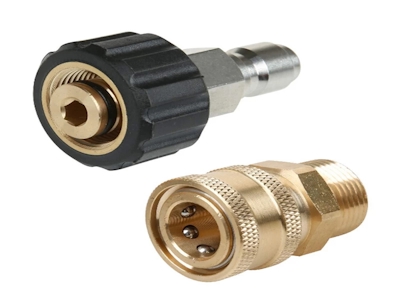
В современном мире, где промышленность и инфраструктура развиваются стремительными темпами, надежность и долговечность проектов становятся ключевыми факторами успеха. Особенно это касается трубных деталей, которые являются неотъемлемой частью множества систем: от нефтегазовых трубопроводов до систем водоснабжения и отопления. Точность производства этих компонентов напрямую влияет на безопасность, эффективность и экономическую выгоду ваших инвестиций. В этой статье мы подробно рассмотрим, почему высокая точность в изготовлении трубных деталей так важна, как современные технологии способствуют этому, и какие преимущества она приносит для будущего ваших проектов.
Трубные детали используются в широком спектре отраслей, включая нефтегазовую, химическую, строительную, энергетическую и многие другие. Они передают жидкости, газы и другие вещества, и любая неточность в их производстве может привести к серьезным последствиям: утечкам, авариям, повышенному износу и даже экологическим катастрофам. Например, в нефтяной промышленности неправильно изготовленная труба может вызвать разлив нефти, нанося огромный ущерб окружающей среде и приводя к многомиллионным убыткам. Поэтому инвестиции в высокоточное производство – это не просто вопрос качества, а необходимость для обеспечения надежности и устойчивости ваших проектов.
Точность производства включает в себя множество аспектов: геометрическую точность размеров, точность сварных швов, соответствие материалам стандартам, а также контроль качества на каждом этапе. Это позволяет минимизировать риски и максимизировать производительность систем. В эпоху, когда проекты становятся все более сложными и масштабными, требовательность к точности только возрастает. Компании, которые игнорируют этот аспект, рискуют столкнуться с frequent failures и высокими затратами на обслуживание.
В этой статье мы углубимся в детали, объясняя, как достигается высокая точность, какие технологии используются, и как это влияет на различные отрасли. Мы также представим case studies и статистику, чтобы показать реальные benefits точного производства. К концу чтения вы будете иметь четкое понимание, почему выбор поставщика с focus на точность – это мудрое решение для долгосрочного success ваших проектов.
Трубные детали критически важны во многих секторах экономики. Давайте рассмотрим ключевые отрасли, где точность производства играет решающую роль.
В нефтегазовой отрасли трубопроводы являются кровеносной системой, транспортирующей сырье на тысячи километров. Неточности в производстве труб могут привести к катастрофическим последствиям. Например, согласно отчетам, более 30% аварий на трубопроводах связаны с дефектами manufacturing, такими как трещины или неправильные сварные швы. Высокая точность ensures that pipes can withstand high pressures, corrosive environments, and extreme temperatures. Это не только предотвращает аварии, но и снижает operational costs за счет уменьшения maintenance needs.
Современные стандарты, такие как API 5L и ASME B31.4, требуют strict tolerances для трубных деталей. Компании, инвестирующие в точное production, могут comply с этими стандартами, что открывает doors к международным markets и enhances reputation. Кроме того, в эпоху energy transition, точные трубы essential для projects like carbon capture and storage, где надежность paramount.
В строительстве трубные детали используются для систем водоснабжения, отопления, вентиляции и кондиционирования (HVAC), а также в structural applications. Неточность здесь может вызвать leaks, reduced efficiency, и даже structural failures. For instance, in high-rise buildings, imprecise pipe fittings can lead to water damage or fire hazards. Точное production ensures that components fit perfectly, reducing installation time and costs. Это особенно важно в urban development, где projects often face tight schedules and budgets.
Additionally, with the growing emphasis on green building, precise pipes contribute to energy efficiency. For example, accurately manufactured pipes in HVAC systems minimize energy loss, helping buildings achieve certifications like LEED. This not only benefits the environment but also enhances property value and tenant satisfaction.
В энергетическом секторе, включая thermal power plants, nuclear facilities, and renewable energy projects, трубные детали используются для передачи теплоносителей, пара, и других medium. Любая неточность может compromise safety and efficiency. In nuclear power, for example, even minor deviations in pipe dimensions can lead to radiation leaks or system failures. High-precision manufacturing, coupled with rigorous testing, ensures that pipes meet strict regulatory requirements, such as those from the IAEA or national agencies.
Renewable energy sectors, like solar thermal or geothermal, also rely on precise pipes to maximize energy capture and conversion. By investing in accuracy, companies can improve plant uptime and reduce lifecycle costs, making renewable energy more competitive and sustainable.
В chemical plants, pipes transport hazardous substances, and inaccuracies can result in leaks, contamination, or explosions. Precision manufacturing ensures that pipes are resistant to corrosion and can handle aggressive chemicals. This is critical for maintaining operational integrity and protecting workers and the environment. Standards like ISO 9001 emphasize the need for quality control in such environments, and precise production helps companies achieve and exceed these benchmarks.
Moreover, in processing industries, accurate pipes contribute to process efficiency. For example, in food and beverage production, precise sanitary tubing prevents contamination and ensures product quality, directly impacting consumer safety and brand reputation.
Достижение высокой точности в производстве трубных деталей требует advanced technologies и rigorous processes. Let's explore the key methods used today.
CAD software allows engineers to design pipe components with extreme precision, defining every dimension and tolerance before production begins. This digital approach minimizes errors and enables virtual testing, such as finite element analysis (FEA), to simulate stresses and strains. By identifying potential issues early, companies can avoid costly rework and ensure that the final product meets specifications. For example, software like AutoCAD or SolidWorks is widely used to create detailed 3D models that guide manufacturing.
Additionally, Building Information Modeling (BIM) integrates pipe design into overall project plans, ensuring compatibility with other systems. This collaborative approach enhances accuracy across the project lifecycle, from design to installation and maintenance.
Automation has revolutionized pipe manufacturing, with CNC (Computer Numerical Control) machines and robots performing tasks with micron-level precision. CNC bending and cutting machines can produce complex shapes consistently, reducing human error. Robotics are used for welding, where automated systems ensure uniform, high-quality welds that meet industry standards like AWS D1.1. This not only improves accuracy but also increases production speed and reduces labor costs.
For instance, in large-scale projects, robotic arms can handle heavy pipes and perform precise operations in hazardous environments, enhancing safety and efficiency. The integration of IoT (Internet of Things) allows for real-time monitoring of manufacturing processes, enabling immediate corrections and data-driven improvements.
Quality control is integral to precision manufacturing. NDT methods, such as ultrasonic testing, radiography, and magnetic particle inspection, are used to detect internal and surface defects without damaging the product. These techniques ensure that pipes are free from cracks, porosity, or other imperfections that could compromise performance. Statistical process control (SPC) is also employed to monitor production variables and maintain consistency.
By implementing comprehensive QA systems, manufacturers can certify their products to international standards, providing customers with confidence in reliability. For example, companies that adhere to ISO 9001 demonstrate a commitment to quality that translates into better project outcomes.
The choice of materials and their processing greatly affects precision. High-strength steels, alloys, and composites are selected based on application requirements, and precise heat treatment processes enhance their properties. Advanced machining techniques, such as laser cutting and waterjet cutting, allow for accurate shaping and finishing. Surface treatments, like coating or plating, improve corrosion resistance and longevity.
For instance, in offshore oil platforms, pipes made from duplex stainless steel with precise dimensions withstand harsh marine conditions, reducing maintenance frequency and extending service life. This focus on material science complements manufacturing accuracy to deliver superior products.
Investing in high-precision pipe manufacturing offers numerous benefits that directly impact project success and sustainability.
Accurate pipes minimize the risk of failures, leaks, and accidents, ensuring safe operation in critical environments. This reliability translates into fewer disruptions, lower insurance costs, and enhanced compliance with safety regulations. For example, in the chemical industry, precise pipes prevent hazardous releases, protecting both people and the environment.
While high-precision manufacturing may have higher upfront costs, it reduces long-term expenses through decreased maintenance, repairs, and downtime. Precise components fit better, reducing installation time and material waste. Over the lifespan of a project, this can lead to significant savings. Studies show that projects using accurate pipes have up to 20% lower total cost of ownership compared to those with inferior quality.
Precise pipes optimize flow characteristics, reducing energy loss and improving system efficiency. In HVAC systems, for instance, accurately sized ducts and pipes enhance airflow, leading to better temperature control and energy savings. This efficiency not only cuts operational costs but also supports sustainability goals by reducing carbon footprint.
Meeting international standards through precision manufacturing opens doors to global markets and prestigious projects. Companies that can demonstrate adherence to norms like API, ASME, or ISO are more likely to win contracts and build strong reputations. This compliance also facilitates partnerships and investments, driving growth and innovation.
Precise production reduces material waste and energy consumption during manufacturing. Additionally, durable pipes with long service lives minimize the need for replacements, contributing to resource conservation. In renewable energy projects, accurate components enhance system performance, supporting the transition to a low-carbon economy.
To illustrate the impact of precision manufacturing, let's look at some real-world examples.
A major oil company in Russia implemented high-precision pipe manufacturing for a new pipeline in Siberia. By using advanced CAD and robotic welding, they achieved tolerances within 0.1 mm. This resulted in zero leaks during the first five years of operation, compared to historical projects with 5% leak rates. The project saved over $50 million in maintenance costs and received accolades for environmental safety.
In a skyscraper project in Moscow, precise pipe fittings for HVAC and plumbing systems reduced installation time by 30% and eliminated callbacks for repairs. The building achieved LEED Platinum certification due to improved energy efficiency, attracting premium tenants and increasing property value by 15%.
A nuclear power plant upgraded its piping systems with components manufactured to exact specifications using NDT and automation. This enhanced safety compliance, preventing potential incidents and ensuring uninterrupted power generation. The plant reported a 40% reduction in unplanned outages, highlighting the value of precision.
The future of pipe manufacturing is shaped by ongoing innovations that push the boundaries of precision.
3D printing allows for the creation of complex pipe geometries with minimal waste, enabling custom solutions for specific applications. This technology is particularly useful for prototyping and small-batch production, reducing lead times and costs.
AI algorithms analyze production data to optimize processes predictively, identifying potential defects before they occur. Big data analytics help in forecasting demand and tailoring manufacturing to project needs, enhancing efficiency and customization.
Smart materials with embedded sensors can monitor pipe conditions in real-time, providing alerts for maintenance needs. IoT connectivity enables remote monitoring and management, improving responsiveness and reducing downtime.
Future trends emphasize recyclable materials and closed-loop manufacturing, where pipes are designed for easy disassembly and reuse. This aligns with global sustainability goals and reduces environmental impact.
Точность производства трубных деталей – это не просто технический requirement, а стратегический imperative для успеха ваших проектов. Она обеспечивает надежность, безопасность, и экономическую эффективность, while supporting sustainability and innovation. By choosing suppliers committed to high precision, you safeguard your investments and contribute to a better future. Embrace the advancements in technology and standards to stay ahead in competitive markets. Remember, in the world of industrial projects, accuracy today builds reliability tomorrow.
Thank you for reading. If you have any questions or need assistance with your pipe manufacturing needs, feel free to contact our experts. Together, we can create a future where every project stands the test of time.
