
1388xx888xx


notice Промышленные объявления


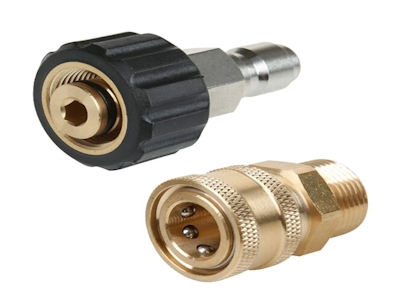
В мире современной техники и промышленности существует множество компонентов, которые, несмотря на свою малозаметность, играют критически важную роль в обеспечении стабильности и долговечности механизмов. Среди них особое место занимают прокладки — небольшие детали, часто остающиеся в тени более крупных и сложных узлов. Однако именно они служат барьером между различными средами, предотвращая утечки, снижая трение и обеспечивая герметичность. В этой статье мы рассмотрим, почему прокладки заслуживают большего внимания, как их правильный выбор и обслуживание могут продлить срок службы оборудования, и какие инновации в этой области способствуют повышению эффективности в таких отраслях, как автомобилестроение, энергетика и машиностроение. Мы также обсудим распространенные ошибки при использовании прокладок и дадим практические советы по их применению.
Прокладки, изготовленные из материалов like rubber, metal, or composite, are designed to fill the gaps between mating surfaces, ensuring a tight seal. Their importance cannot be overstated; for instance, in an engine, a failed gasket can lead to coolant or oil leaks, resulting in overheating and potential engine failure. Similarly, in industrial pumps, gaskets prevent fluid escape, maintaining pressure and efficiency. Despite their simplicity, the design and material selection for gaskets require careful consideration of factors such as temperature, pressure, and chemical compatibility. Innovations like laser-cut gaskets and advanced polymers have improved performance, but many users still underestimate their significance, leading to preventable failures and downtime.
In the automotive industry, gaskets are integral to engines, transmissions, and exhaust systems. A study by the Society of Automotive Engineers highlights that gasket failures account for up to 15% of engine-related issues. Proper installation techniques, such as using torque wrenches and sealants, can mitigate these problems. Moreover, the shift towards electric vehicles introduces new challenges, as gaskets must handle different thermal and vibrational loads. Education and training for mechanics on gasket best practices are essential to reduce warranty claims and enhance vehicle reliability.
Beyond automotive, gaskets are vital in energy sectors like oil and gas, where they seal pipelines and reactors under extreme conditions. The American Petroleum Institute sets standards for gasket materials to ensure safety and environmental protection. For example, in offshore drilling, a faulty gasket can cause spills with catastrophic consequences. Regular inspections and predictive maintenance, using technologies like ultrasonic testing, help detect wear early. Additionally, the adoption of reusable gaskets in some applications promotes sustainability by reducing waste.
In machinery and manufacturing, gaskets contribute to operational efficiency by minimizing leaks and vibrations. CNC machines and robotics rely on precise seals to maintain accuracy. Case studies from factories show that upgrading to high-performance gaskets can decrease downtime by 20%. However, cost-cutting often leads to the use of inferior gaskets, which proves expensive in the long run due to repairs and lost productivity. Companies should invest in quality gaskets and partner with reputable suppliers to avoid these pitfalls.
Looking ahead, the future of gaskets lies in smart materials and IoT integration. Sensors embedded in gaskets can monitor conditions in real-time, alerting users to potential failures. Research in nanomaterials promises gaskets with self-healing properties, further enhancing durability. As industries evolve, the humble gasket will continue to be a silent hero, deserving of attention and innovation. In conclusion, while often overlooked, gaskets are indispensable to mechanical systems. By raising awareness and adopting best practices, we can unlock their full potential, ensuring smoother and more reliable operations across all sectors.
