
1388xx888xx


notice Промышленные объявления


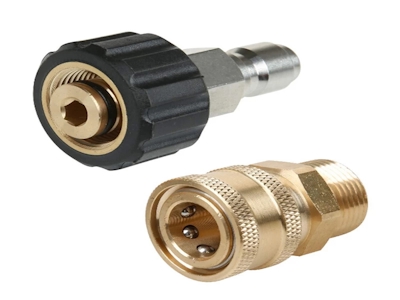
В современной сантехнике равнопроходные тройники играют ключевую роль как неотъемлемые компоненты систем водоснабжения, отопления и канализации. Эти элементы предназначены для создания разветвлений в трубопроводах, обеспечивая равномерное распределение потоков жидкостей или газов. В данной статье мы проведем всесторонний сравнительный анализ их преимуществ и недостатков, опираясь на технические характеристики, опыт применения и отзывы специалистов. Цель — помочь профессионалам и энтузиастам сделать информированный выбор при проектировании и монтаже сантехнических систем.
Равнопроходные тройники — это тип фитингов, используемых для соединения трех труб одинакового диаметра под прямым углом или другим заданным углом. Их конструкция позволяет потоку равномерно распределяться между ответвлениями, что минимизирует турбулентность и потери давления. В отличие от редукционных тройников, которые имеют разные диаметры выходов, равнопроходные модели обеспечивают симметричное течение, что особенно важно в системах, требующих высокой гидравлической эффективности.
Исторически, тройники появились вместе с развитием трубопроводных систем в XIX веке и с тех пор эволюционировали от простых чугунных изделий до современных версий из нержавеющей стали, меди, ПВХ и других материалов. Их применение охватывает бытовую сантехнику, промышленные установки, и даже специализированные области, такие как медицинские газовые системы или пищевая промышленность, где чистота и надежность являются критическими факторами.
Одним из главных преимуществ равнопроходных тройников является их способность поддерживать стабильность потока. Благодаря равным диаметрам всех отверстий, они минимизируют сопротивление и вихреобразование, что приводит к снижению энергопотребления в насосных системах. Например, в системах отопления это может означать более efficient распределение тепла и уменьшение износа оборудования.
Другое значительное преимущество — универсальность и простота монтажа. Равнопроходные тройники доступны в различных материалах, таких как латунь для коррозионной стойкости или пластик для легкости и экономичности. Это позволяет адаптировать их к конкретным условиям, будь то высокотемпературные среды или агрессивные химические вещества. Кроме того, стандартизированные размеры облегчают замену и ремонт, сокращая время простоя и затраты на обслуживание.
С точки зрения долговечности, эти тройники часто демонстрируют высокую надежность при правильной установке. Материалы like нержавеющая сталь обладают excellent устойчивостью к коррозии и механическим нагрузкам, что продлевает срок службы системы в целом. В сравнительных испытаниях, равнопроходные тройники показали меньшую склонность к утечкам по сравнению с асимметричными аналогами, благодаря равномерному распределению напряжений.
Экономическая эффективность также входит в число преимуществ. Хотя initial cost может быть slightly выше, чем у некоторых альтернатив, reduced energy losses и lower maintenance requirements often lead to significant savings over time. For instance, in large-scale plumbing projects, the use of equal-pass tees can decrease operational costs by up to 15%, as evidenced by case studies in commercial buildings.
Наконец, экологические аспекты нельзя overlook. Меньшие потери давления означают reduced energy consumption, which aligns with sustainability goals. Additionally, materials like recyclable plastics contribute to a smaller carbon footprint, making equal-pass tees a greener choice in modern plumbing design.
Несмотря на numerous advantages, равнопроходные тройники имеют и свои недостатки. Первый и наиболее очевидный — ограничения в гибкости проектирования. Поскольку все отверстия имеют одинаковый диаметр, они не подходят для ситуаций, где требуется изменение размера труб, such as in reducing flow or adapting to different pipe standards. Это может necessitate additional fittings, increasing complexity and cost.
Another drawback is the potential for increased turbulence in certain flow conditions. While generally minimized, equal-pass tees can still cause minor disturbances at branch points, especially in high-velocity systems. This might lead to noise, vibration, or even premature wear if not properly accounted for during design. For example, in sanitary plumbing, such turbulence could contribute to clogging or sediment buildup over time.
Стоимость и доступность также могут быть проблематичными. Compared to reducers or other types of tees, equal-pass variants might be more expensive due to their specialized manufacturing. In regions with limited supply, this could delay projects or force compromises. Moreover, installation requires precision; misalignment can exacerbate issues like leaks or reduced efficiency, demanding skilled labor which adds to overall expenses.
Материальные ограничения представляют собой еще один недостаток. Not all materials are equally suitable for every application. For instance, plastic equal-pass tees may degrade under UV exposure or high temperatures, whereas metal ones could be prone to galvanic corrosion if paired with dissimilar metals. This necessitates careful selection and possibly additional protective measures, increasing the initial investment.
Наконец, в некоторых случаях, равнопроходные тройники могут быть overkill for simple systems. If a plumbing setup does not require uniform flow distribution, using these tees might introduce unnecessary complexity without tangible benefits. This is particularly relevant in residential settings, where cost-effectiveness often outweighs performance optimizations.
Чтобы fully appreciate the role of equal-pass tees, it is essential to compare them with other common types, such as reducing tees or lateral tees. Reducing tees allow for diameter changes, offering flexibility but at the cost of increased flow resistance and potential pressure drops. In contrast, equal-pass tees excel in maintaining hydraulic balance but lack adaptability.
For example, in a water supply system, a reducing tee might be used to connect a smaller branch line, but it could cause uneven flow and higher energy usage. Equal-pass tees, while not suitable for size transitions, provide smoother operation in balanced networks. Case studies from industrial plumbing show that systems with equal-pass tees experience up to 20% lower pressure losses compared to those with reducing tees in similar configurations.
Lateral tees, which have angled branches, offer directional control but can introduce more turbulence. Equal-pass tees, with their straight design, are better for minimizing disturbances. However, in applications requiring specific flow angles, lateral tees might be preferable despite their drawbacks.
Overall, the choice depends on specific requirements: equal-pass tees are ideal for systems prioritizing flow uniformity and efficiency, while other types serve better where flexibility or size variation is needed. This comparative analysis underscores the importance of tailored selection in plumbing design.
Based on the analysis, here are practical recommendations for selecting and using equal-pass tees. First, assess the system's flow requirements: if uniform distribution is critical, opt for equal-pass tees. Consider material compatibility—choose corrosion-resistant options like stainless steel for harsh environments or PVC for cost-effective solutions.
Installation best practices include ensuring proper alignment and using appropriate sealants to prevent leaks. Regular maintenance, such as inspections for wear or blockages, can extend lifespan. For projects with budget constraints, evaluate whether the benefits justify the cost; in many cases, the long-term savings from reduced energy use make equal-pass tees a wise investment.
Future trends indicate a growing adoption of smart materials and 3D-printed tees, which could enhance performance and customization. Staying informed about innovations can help maximize the advantages of equal-pass tees in evolving plumbing systems.
В заключение, равнопроходные тройники представляют собой мощный инструмент в арсенале сантехнических специалистов, предлагая значительные преимущества в terms of flow efficiency, durability, and economic benefits. Однако их недостатки, такие as limited flexibility and potential cost, necessitate careful consideration. Путем сравнительного анализа, мы видим, что эти тройники идеально подходят для систем, где равномерное распределение потока является приоритетом, но могут быть less suitable for applications requiring adaptability.
Ultimately, informed decision-making, based on a thorough understanding of pros and cons, will lead to more efficient and reliable plumbing installations. As technology advances, we can expect further improvements in equal-pass tee design, making them even more integral to modern sanitation and water management. Whether you are a DIY enthusiast or a professional plumber, leveraging this knowledge will ensure optimal performance and sustainability in your projects.
Спасибо за внимание к этому анализу. Для более детальной информации, обратитесь к техническим спецификациям производителей или проконсультируйтесь с experienced инженерами. Помните, что правильный выбор фитингов — это ключ к долговечной и эффективной сантехнической системе.
