
1388xx888xx


notice Промышленные объявления


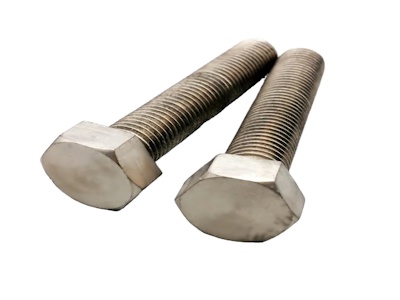
В современной промышленности, где каждый компонент играет ключевую роль в обеспечении безопасности, эффективности и надежности, винтовые фланцы стали настоящим прорывом. Эти инновационные элементы соединения трубопроводов не только упрощают монтаж, но и кардинально меняют подход к проектированию и эксплуатации промышленных систем. В этой статье мы глубоко погрузимся в мир винтовых фланцев, исследуя их историю, преимущества, применение и будущее, чтобы понять, почему они справедливо считаются революцией в отрасли.
Винтовые фланцы – это тип соединительных элементов, используемых в трубопроводных системах для обеспечения герметичного и прочного соединения между трубами, клапанами, насосами и другим оборудованием. В отличие от традиционных фланцев, которые требуют сварки или болтового соединения с предварительной подготовкой, винтовые фланцы оснащены резьбой, что позволяет быстро и легко закручивать их на трубы без дополнительных инструментов или сложных процессов. Это делает их идеальными для применений, где время монтажа критично, а безопасность является приоритетом.
Принцип работы винтовых фланцев основан на простом механизме: резьба на внутренней поверхности фланца совмещается с резьбой на конце трубы, и при вращении фланец плотно прилегает, создавая надежное соединение. Это не только ускоряет процесс установки, но и снижает риск ошибок, связанных с человеческим фактором, таких как неправильная сварка или перетяжка болтов. Кроме того, многие винтовые фланцы оснащены уплотнительными кольцами или прокладками, которые обеспечивают дополнительную герметичность, предотвращая утечки даже в условиях высокого давления или агрессивных сред.
Исторически, фланцы использовались в промышленности с XIX века, но винтовые варианты стали популярны лишь в последние десятилетия благодаря advancements in materials science and engineering. Ранние фланцы часто изготавливались из чугуна или стали и требовали трудоемкого монтажа, но современные винтовые фланцы производятся из высокопрочных материалов, таких как нержавеющая сталь, латунь или специализированные сплавы, что делает их устойчивыми к коррозии, износу и экстремальным температурам. Это evolution отражает общий тренд в промышленности towards modularity and efficiency, где компоненты designed for quick assembly and disassembly are highly valued.
Винтовые фланцы предлагают множество преимуществ по сравнению с традиционными методами соединения, что делает их незаменимыми в различных отраслях. Вот ключевые из них:
Эти преимущества не только улучшают operational efficiency but also align with modern industrial trends such as Industry 4.0, where automation, IoT, and smart manufacturing emphasize the importance of reliable and easy-to-maintain components.
Винтовые фланцы нашли применение в numerous sectors, demonstrating their versatility and impact. Let's explore some key industries:
В этой high-stakes industry, where equipment operates under extreme pressures and temperatures, винтовые фланцы are used in drilling rigs, pipelines, and refineries. Их ability to provide quick and secure connections helps in preventing spills and ensuring continuous operation. For instance, in offshore platforms, where space is limited and conditions are harsh, easy installation and maintenance are critical. Companies like Shell and ExxonMobil have incorporated винтовые фланцы into their systems to enhance safety and reduce operational costs.
In chemical plants, where corrosive substances are handled, винтовые фланцы made from resistant materials like Hastelloy or Teflon-coated steel are essential. Они ensure leak-proof connections that prevent contamination and protect workers. Similarly, in pharmaceutical manufacturing, where cleanliness and precision are paramount, these flanges facilitate easy sterilization and assembly of piping systems without compromising integrity.
Municipal water systems benefit from винтовые фланцы due to their ease of installation in tight spaces, such as urban pipelines or treatment plants. Они help in reducing installation time during repairs or expansions, ensuring that communities have reliable access to water. Additionally, in wastewater management, their durability against abrasive materials makes them ideal for long-term use.
In power generation, whether in nuclear, thermal, or renewable energy plants, винтовые фланцы are used in steam lines, coolant systems, and other critical infrastructure. Their reliability minimizes the risk of failures that could lead to blackouts or safety incidents. For example, in wind turbines, they simplify the assembly of hydraulic systems, contributing to faster deployment and maintenance.
In marine applications, винтовые фланцы withstand saltwater corrosion and vibration, making them suitable for ship piping. In aerospace, where weight and reliability are crucial, their lightweight versions are used in fuel and hydraulic systems, ensuring performance under high stress.
These examples highlight how винтовые фланцы are transforming industries by providing solutions that are not only efficient but also tailored to specific challenges.
Развитие винтовых фланцев continues to evolve with advancements in technology. Smart flanges equipped with sensors for monitoring pressure, temperature, and integrity are emerging, integrating with IoT platforms to provide real-time data for predictive maintenance. This innovation allows companies to anticipate failures before they occur, further enhancing safety and reducing costs.
Moreover, additive manufacturing (3D printing) is enabling the production of custom flanges with complex geometries, optimized for specific applications. This customization reduces material waste and improves performance. In the future, we can expect винтовые фланцы to become even more integrated with digital twins and automation systems, making industrial processes smarter and more resilient.
Research in materials science is also leading to the development of flanges with enhanced properties, such as self-healing capabilities or improved resistance to extreme conditions. As industries push towards sustainability, biodegradable or recyclable materials for flanges might become more prevalent, aligning with circular economy principles.
В заключение, винтовые фланцы represent a significant leap forward in industrial technology. Their combination of speed, safety, versatility, and cost-effectiveness makes them a cornerstone of modern piping systems. By adopting these innovative components, industries can achieve higher efficiency, reduce environmental impact, and enhance overall reliability. As we move towards an era of increased automation and sustainability, винтовые фланцы will undoubtedly play a pivotal role in shaping the future of industrial infrastructure. Embrace this revolution – it's not just about connecting pipes; it's about building a better, safer, and more efficient world.
Для тех, кто хочет углубиться в тему, рекомендуется изучить стандарты ISO и ASTM, которые регулируют производство и использование винтовых фланцев, а также проконсультироваться с экспертами в этой области для выбора оптимальных решений.
